

Nathan Hillis · June 10, 2021
Necessary Painting Tools For Your Average Painting Project
In this blog post, we're going to discuss the necessary painting tools you may need for an every day painting project
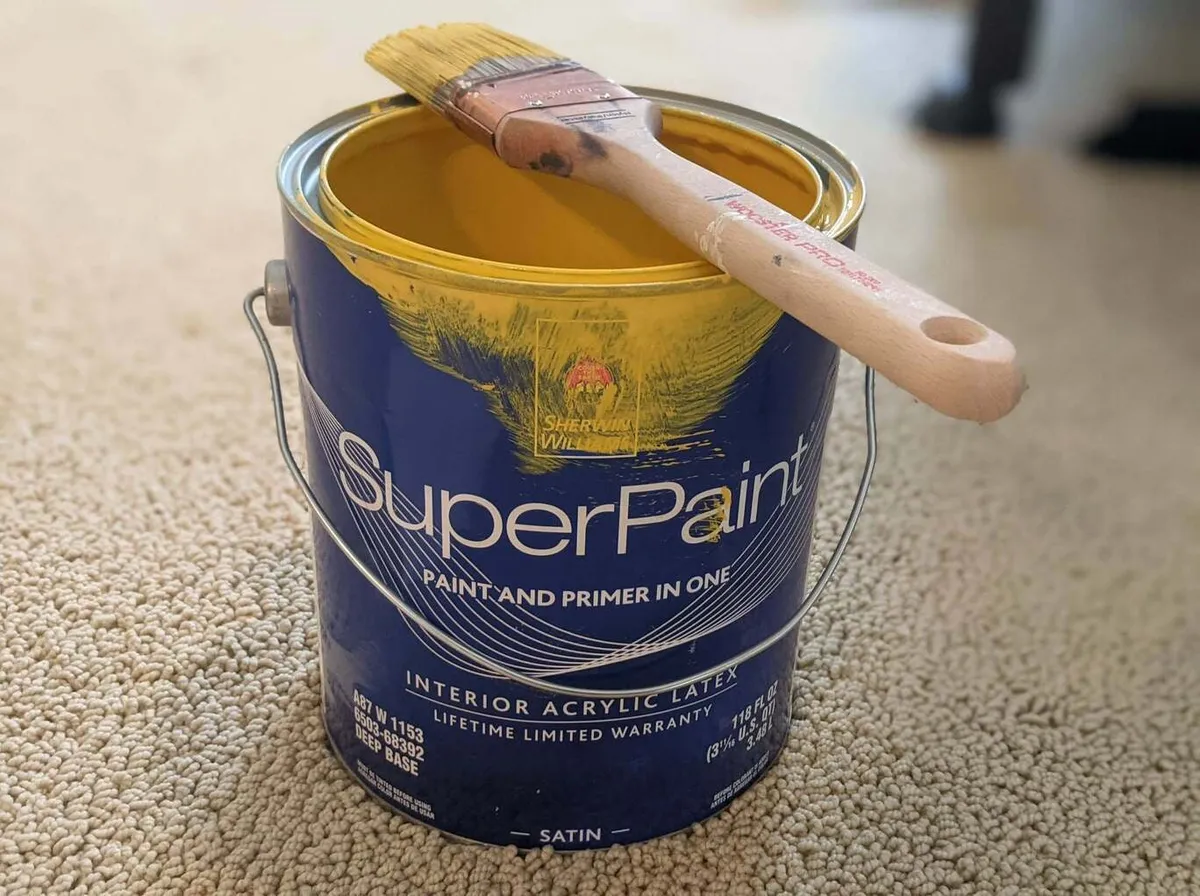
When it comes to painting, there are some essential tools that all painters should have. A brush and roller are two of your staples, and they should be two of the first things that you pack, but that is not all you need.
Let’s take a look at the 15 most essential tools for every painter.
1. Brush
Okay, we are going to cheat a little here and group all paintbrushes together.
If you have done any painting, you know that you end up using more than just one brush. You need a flat brush to paint the edges, and an angled brush is handy for getting into the corners.
With paintbrushes, this is not an area to skimp. Invest in quality brushes that will last and give you even straight lines.
2. Roller
Brushes and rollers go hand in hand. The brushes do the edge work, getting into the tight corners, while the rollers will do the bulk of the area work. We are going to be sneaky here again and mention that you might need specialty rollers for textured ceilings and other surfaces.
As with your brushes, always go for quality over quantity for an even finish that you are not going to have to repaint.
And, being even sneakier, we are going to add in an extender pole too. If you are painting large areas, bring a pole that you can attach to the roller to get to the highest points easily.
3. Paint Can Opener
If you want to paint, you are going to need to open the paint can. You could try and jam in a screwdriver, but a good paint can opener can be left in your painting gear, and it will open cans that other tools cannot.
4. Tape Measure
This is an often forgotten tool that is essential before you start a job. If you do not know how big of an area you are going to cover, you might end up with too little paint, and have to go out and buy some more, or too much paint that is going to go to waste.
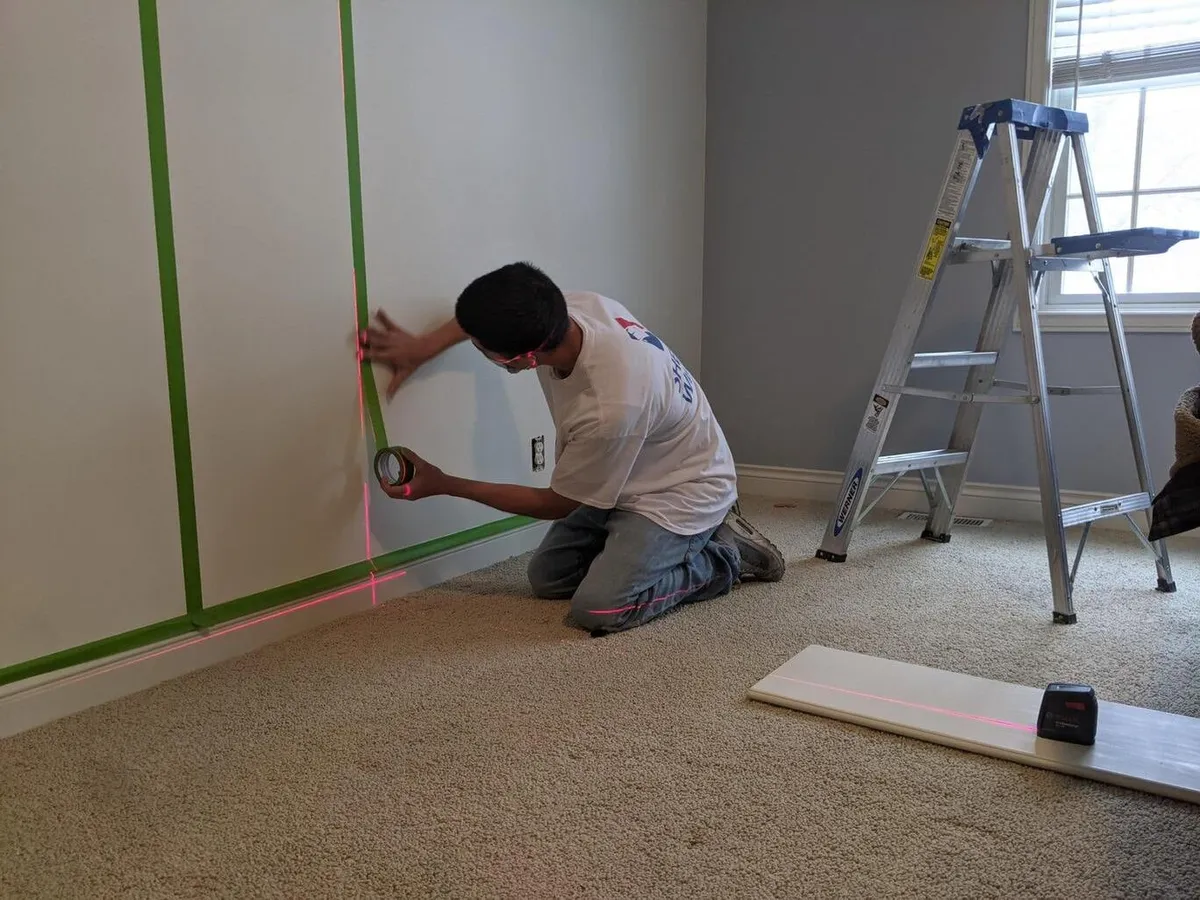
5. Painter’s Tape
If you want to paint straight lines and not get paint where you do not want it, then you are going to need some painter’s tape. There are many excellent brands on the market, so go with your favorite (or your favorite color).
6. Drop Cloths
No matter how good a painter you are, paint is still going to take advantage of gravity and drip down onto either the floor or furniture. Drop cloths are simple and help keep your area clean.
7. Sandpaper
Great for smoothing a surface before painting, between priming and finishing, and after finishing. We recommend keeping different grits of sandpaper handy for different materials.
8. Fillers
You don’t want to start a job and realize that there are holes in the wall or the wall is uneven. It can be tempting to try and fill a small hole with paint, but that is not going to cut it. Get yourself some quality filler and save time and effort on the job.
9. Containers
You are not always going to use the paint straight from the can. Depending on the job, you might need a larger container, such as a 5-gallon pail to bring lots of paint, or you might need a smaller container that you can take up a ladder with you. Don’t forget about your roller trays.
10. Sponge
Sometimes walls are not entirely clean. If you wipe them down with a slightly wet sponge, not only does it help to remove the dirt and debris, but it will also help the paint to adhere better.
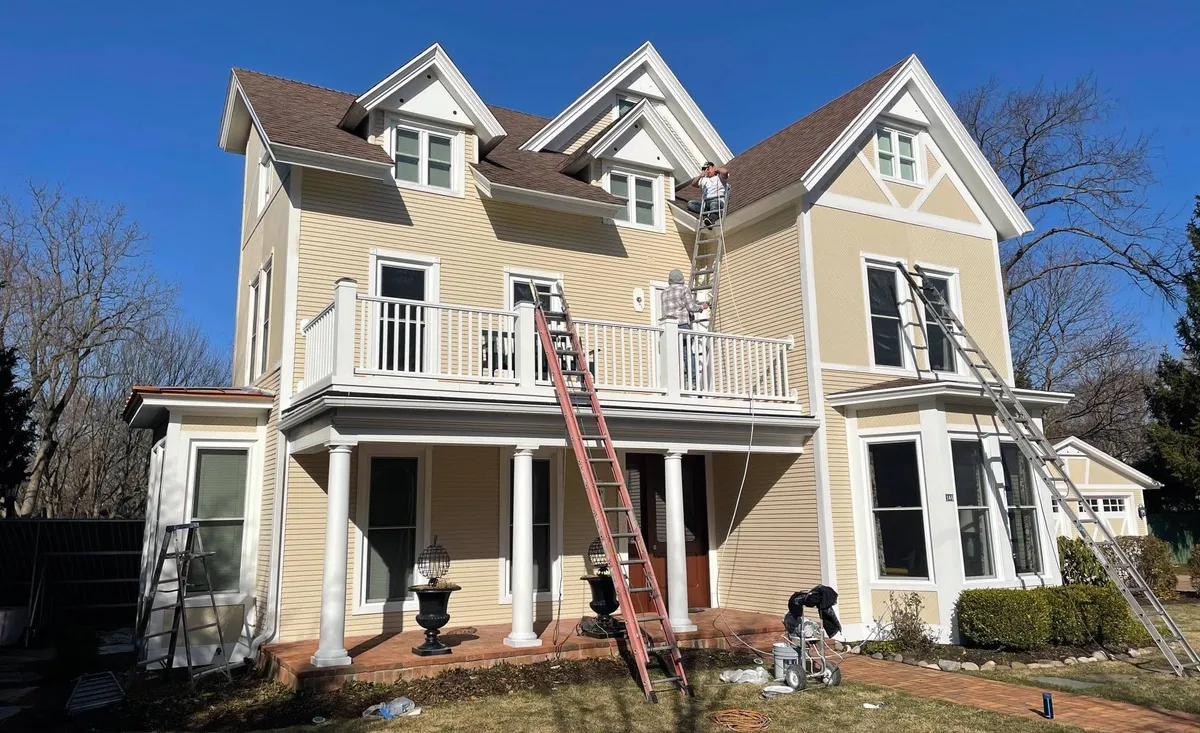
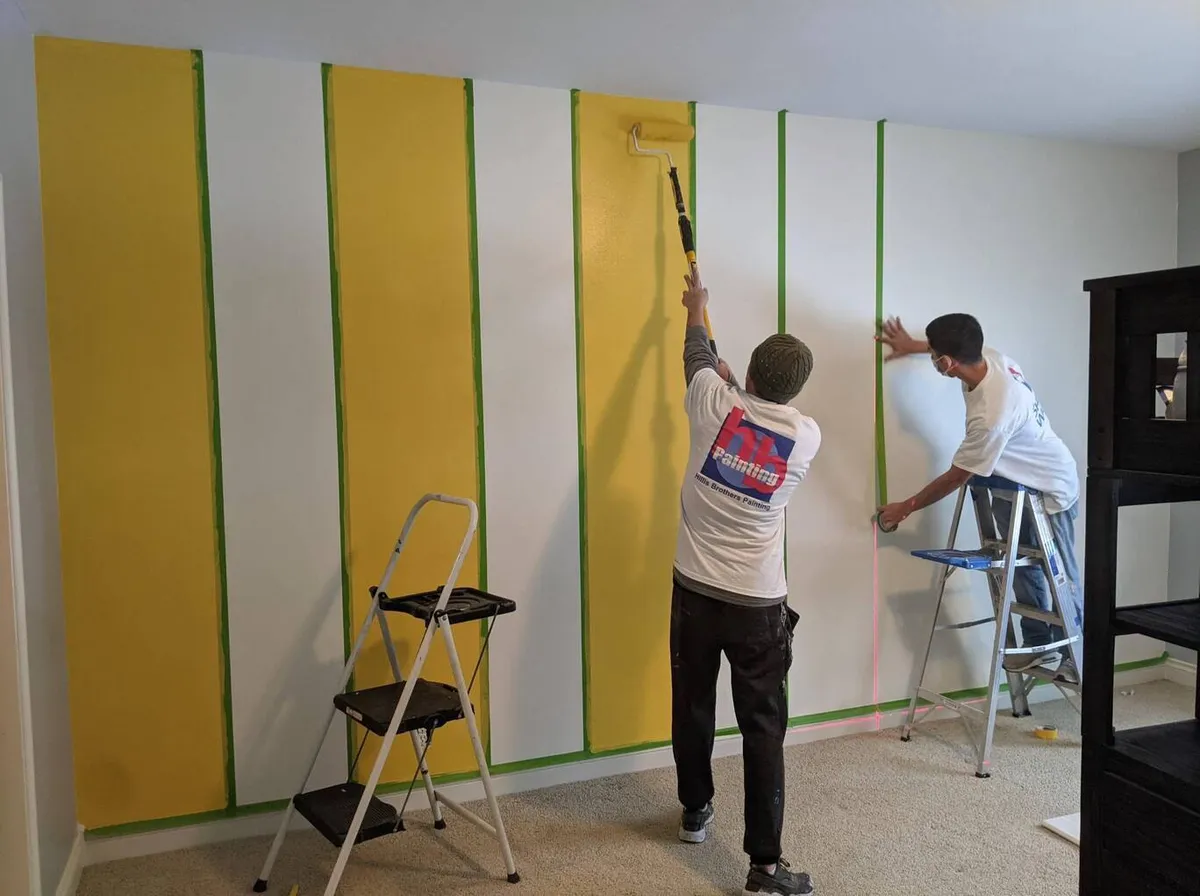
11. Ladders
Most jobs will feature walls that you cannot reach the top of standing on the floor. If you are doing an exterior paint job, ladders are going to become even more important.
Safety is an issue here, so always invest in a high-quality ladder that is not going to slip, and will hold your weight. Also, look for ladders that come with paint holders to make the job easier.
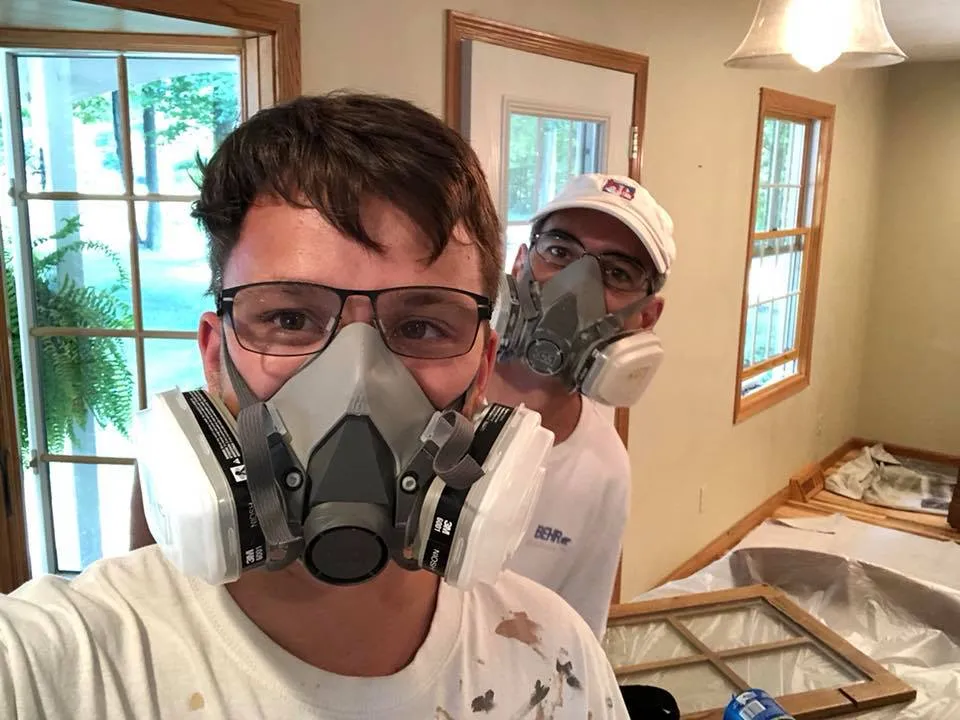
12. Respirator
If you are painting in an area where you do not have ventilation, you want to wear a respirator. Even a few minutes of breathing in paint fumes can do damage to your lungs.
13. Lights
If you are painting and the electrics have not yet been hooked up, or if you want to paint outside as the sun goes down, you are going to need a good light source to ensure that you are doing a great job.
14. Pants, Overalls, Smocks
Paint will not only drip onto the floor, but it will also, inevitably, get onto your clothes. Either wear clothes that you do not mind getting paint on or cover your clothes. A pair of painter’s pants can give you storage for all of your small painting tools.
15. Knee Pads
When you are painting, you spend more time on your knees than you would think. A pair of knee pads is going to provide additional comfort in a job that can get pretty uncomfortable at times.
Bonus #16
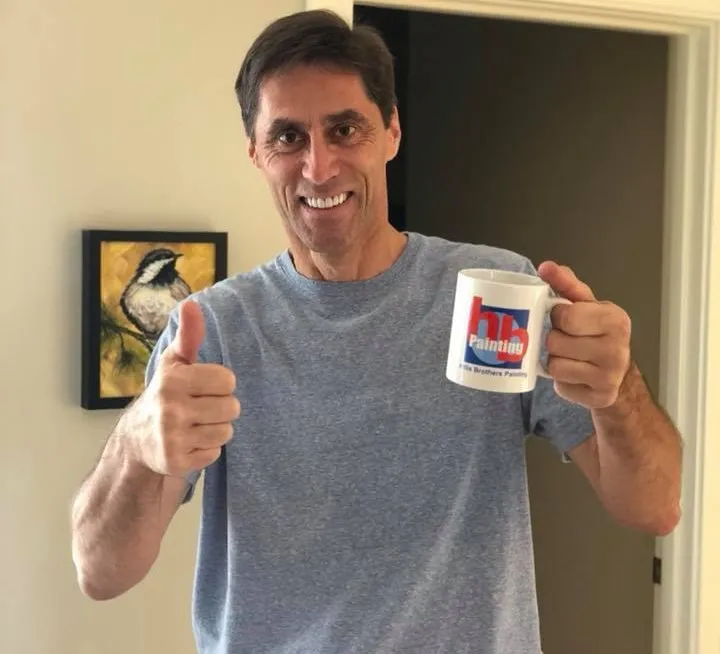
These awesome Hillis Brothers mugs!
Wrapping Up
When it comes to painting, there are some essentials that are best brought to every job, and it is easy to forget one or two of them. Use our checklist of the 15 most essential items to ensure that every paint job runs smoothly.