

Nathan Hillis · August 18, 2026
Planning Commercial Building Exterior Painting Around West Michigan Weather
Timing a commercial exterior paint project to West Michigan weather protects the finish and avoids repeat work. Here is how seasons affect paint, the temperature and moisture sweet spot, how to plan around tenants, and how to maintain the results.
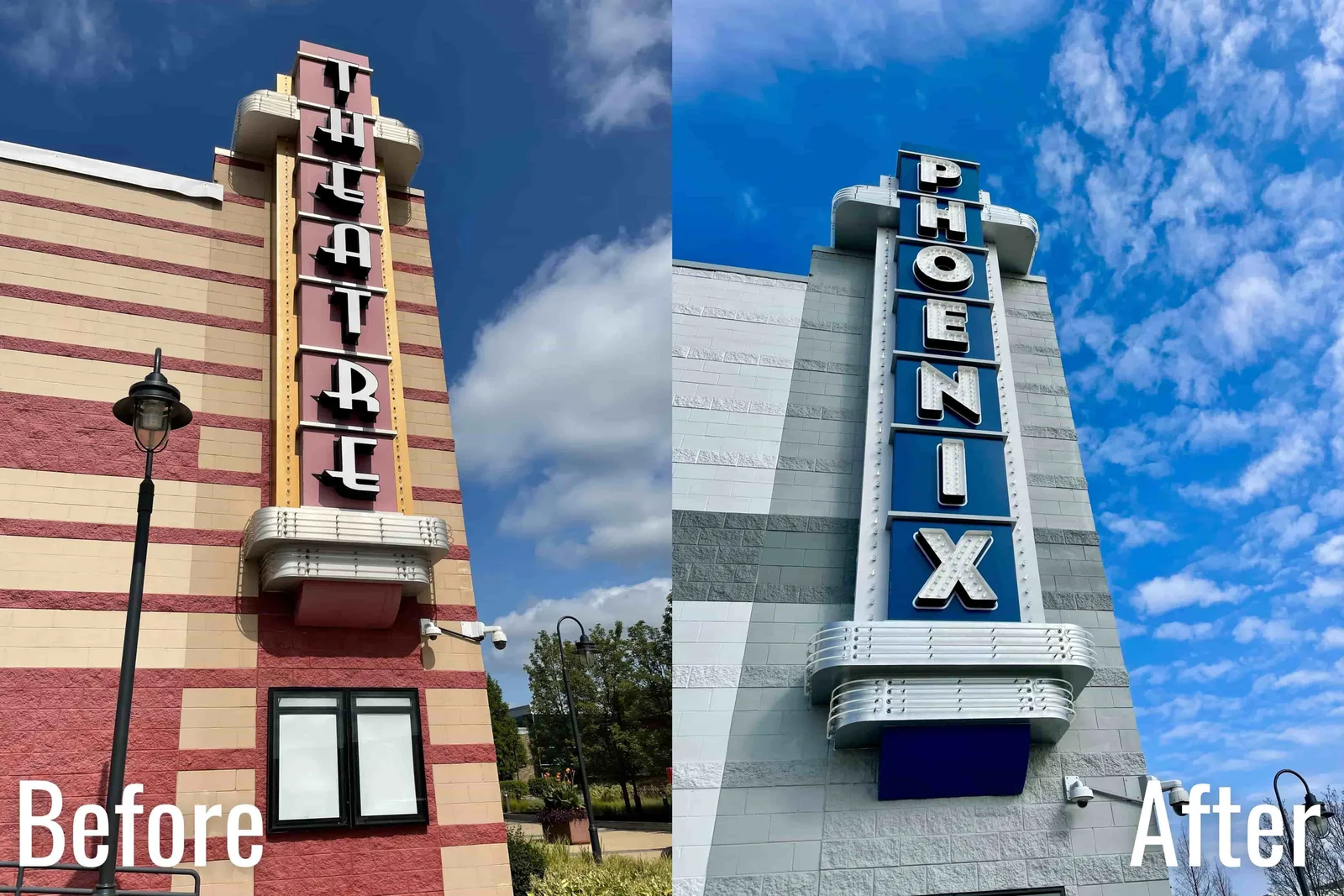
Make Your Exterior Paint Job Work with West Michigan Weather
Planning a commercial building exterior painting project in West Michigan is not just about picking colors. If the work is done at the wrong time or in the wrong weather, it can lead to peeling paint, delays, and frustrated tenants or customers. The right plan keeps your building looking sharp and helps the paint last longer.
For commercial properties, timing, prep, and the right products matter as much as the shade on the walls. Our weather can shift quickly, and that affects how paint dries and holds up. When you plan around local weather patterns, you protect your building and avoid repeat work.
At Hillis Brothers Painting, we are a family-owned, licensed, and insured painting company that works across West Michigan. We pay close attention to how each season affects commercial exterior projects. In this article, we will walk through how our weather affects paint performance, the best conditions for painting, how to work around business operations, and how a maintenance mindset helps protect your investment.
How West Michigan Seasons Affect Exterior Paint Performance
West Michigan weather has a personality of its own. We see cold, snowy winters, wet and often windy springs, warm and sometimes humid summers, and fall days that can swing from warm to chilly in a few hours. Each season affects how commercial building exterior painting holds up on your property.
Here is how different conditions can cause trouble for exterior paint if the project is not planned well:
- Freeze and thaw cycles can push moisture into cracks, then expand and break the paint film.
- UV exposure and heat can fade colors and dry out surfaces, especially on south- and west-facing walls.
- Wind-driven rain can force water behind paint layers and into small gaps in trim and siding.
- High humidity can slow drying times and keep moisture locked behind the paint. Cold winters are hard on any exterior. If paint is applied too late in the season, it may not cure properly before temperatures drop. Spring can be tempting for fresh paint, but long stretches of rain and damp surfaces can cause problems. Summer and early fall are usually the best window, but even then, the calendar is less important than the actual temperature and moisture levels.
For larger commercial facilities, office parks, or multi-building sites, planning ahead is key. Prime painting weather fills up quickly. If you want your exterior work done during the most reliable months, it pays to schedule well before that season begins.
Timing Your Project for Temperature and Moisture Sweet Spots
For commercial building exterior painting, good timing means working when temperatures and moisture levels are in the right range for the products being used. Many exterior paints perform best when the air and surface stay between roughly 50°F and 85°F, with low to moderate humidity.
In West Michigan, we also watch out for special local conditions that can affect drying and curing, such as:
- Morning dew sitting on surfaces, especially shaded areas and metal.
- Sudden lake-effect showers that appear even on days that started clear.
- Fast temperature drops in the evening that can slow down curing overnight. Experienced painters keep a close eye on the forecast, both daily and weekly. We plan our schedule so that surfaces are dry before we begin, and we avoid starting work on areas that will get direct, harsh midday sun for long stretches. That way, the paint does not dry too fast on the surface while staying soft underneath.
Moisture levels inside the surface matter as well. Wood, masonry, and metal can all hold water that you do not see. If paint goes over a damp surface, you may later see:
- Blistering and bubbling
- Poor adhesion and peeling
- Uneven sheen and patchy areas Checking for moisture and waiting for the right conditions takes time, but it pays off with a smoother finish and longer-lasting results.
Planning Around Business Operations and Tenant Needs
Painting a commercial building is not just a weather project; it is also a people project. Office parks, retail centers, industrial facilities, and multi-tenant properties all need to look good while still running smoothly. Curb appeal matters, but so does access to doors, parking, and loading areas.
To keep things moving, we often work with property managers and facility teams to plan:
- Phased work, focusing on one side or section at a time.
- Off-peak hours or weekend work when possible, so busy times stay clear.
- Temporary changes in parking and entrances with clear signage. Safety and liability are also a big part of exterior projects. Commercial work often involves lifts, scaffolding, and working at height near sidewalks and drive lanes. Clear work zones, cones, barriers, and visible crew members help protect everyone on site. Working with a licensed and insured contractor gives owners and tenants extra peace of mind.
Good communication makes the whole process smoother. A simple, clear schedule, updates when the weather changes the plan, and daily check-ins help employees, customers, and tenants feel informed instead of surprised when they see painters outside their building.
Protecting Your Investment with Seasonal Maintenance Planning
Once your commercial building exterior painting project is complete, the best way to protect it is with regular, simple maintenance. In a climate like West Michigan, small problems can grow quickly if they are ignored.
A seasonal or annual checkup can be as simple as walking the property and looking closely at:
- Peeling or flaking paint
- Chalking or faded areas that feel dusty
- Cracked or missing caulk at joints and around windows
- Mildew or staining near gutters and downspouts
- Water streaks or signs of leaks on walls and trim Catching issues early usually means small touch-ups instead of large repaints. Touching up trim, doors, railings, and high-wear corners during good weather can stop moisture from getting behind the paint film. Fresh caulk in gaps and joints keeps water out of the building envelope and helps the main paint system last longer.
Keeping clear records is also helpful. When you know what products were used, where they were applied, and when, it is easier to plan the next round of maintenance or repainting. That makes future work more predictable and easier to fit into your long-term building plan.
Schedule Your Next Exterior Paint Project Before the Forecast Shifts
The best commercial building exterior painting projects start long before the first drop of paint hits the wall. Planning several months ahead gives you more control over timing, lets you work around your busy seasons, and helps you reserve dates in the best weather window.
A simple way to prepare is to:
- Take current photos of your buildings from all sides.
- Note visible paint issues like peeling, rust, or water stains.
- Think about business cycles, tenant needs, and any upcoming projects like roofing or signage.
- Decide how flexible your timing can be if the weather shifts. At Hillis Brothers Painting, we are based here in West Michigan, and we spend a lot of time watching how our local weather patterns affect commercial properties. Our team focuses on planning, preparation, and product choices that fit our climate. With a clear plan and the right timing, your exterior paint can stand up to our seasons and keep your building looking welcoming for years.
Get Started With Your Project Today
If your property is ready for a fresh, professional look, our team is here to help with expert commercial building exterior painting tailored to your needs and schedule. At Hillis Brothers Painting, we focus on durable finishes, clean job sites, and clear communication from the first walkthrough to the final inspection. Tell us about your goals and challenges, and we will provide straightforward recommendations and a detailed proposal. Reach out today to contact us and take the next step toward a sharper, longer-lasting exterior.